
How it's made
Shoe Outsole Construction Methods — Cement, Vulcanized, Injection & Strobel
The main ways a sole is attached to a shoe — cement, vulcanized, injection and strobel construction — explained simply, with the pros, cons and best uses for each, from the DOING factory.
How a sole is joined to the upper is one of the most important decisions in a shoe. It changes the look, the flexibility, the durability and the cost. Four construction methods cover most footwear — here’s how each works and when to use it.
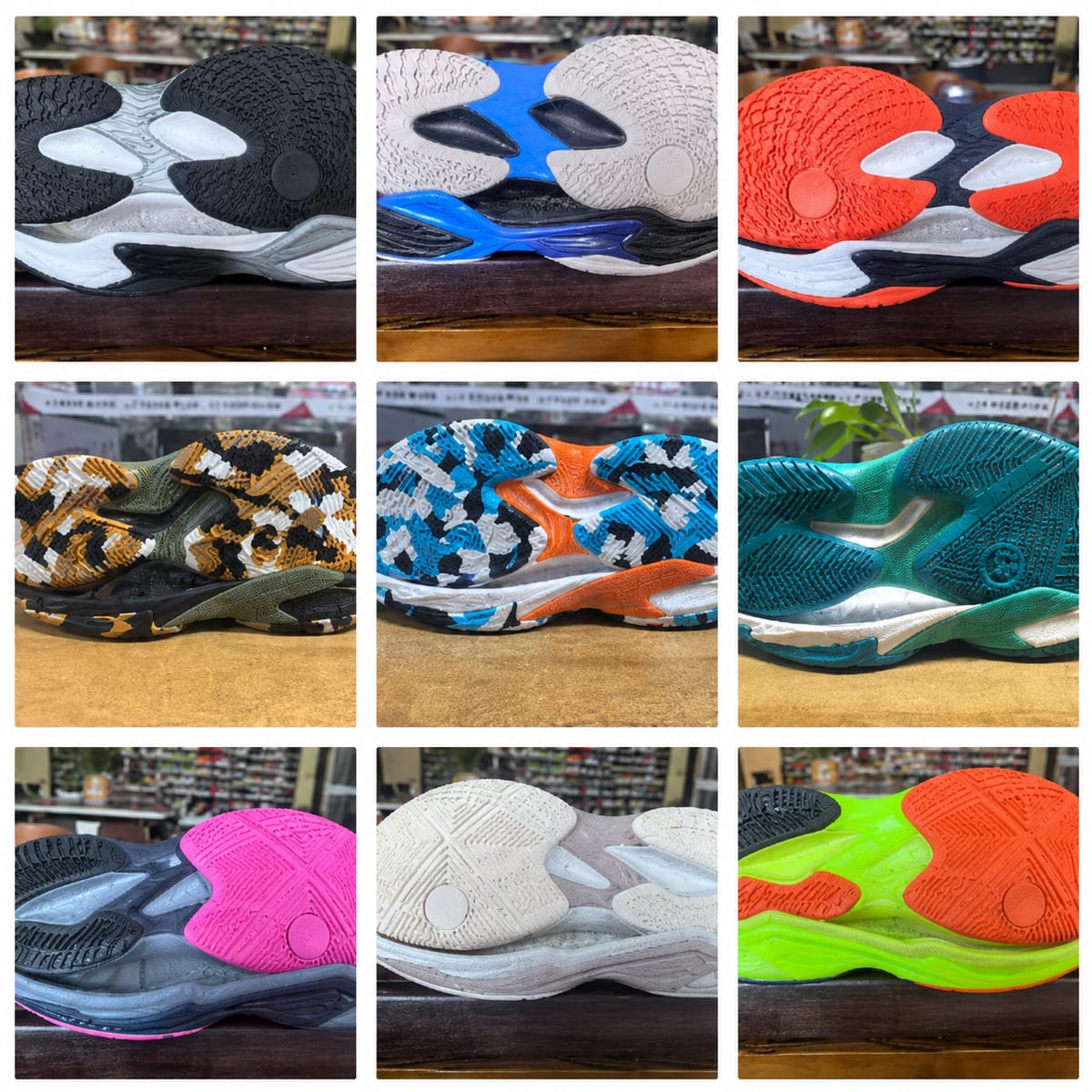
1. Cement (glued) construction
The upper and sole are prepared, bonded with adhesive and pressed together under pressure. After bonding, the joint is cooled to set.
- Pros: versatile, lightweight, clean lines, cost-effective; works with almost any sole material.
- Cons: bond quality depends on careful surface prep and the right adhesive.
- Best for: the majority of casual, dress, outdoor and fashion footwear.
It’s the most common method we use — and the one where in-line bond checks matter most, which is why we verify the bond is fully closed with no gaps.
2. Vulcanized construction
A raw rubber sole and foxing tape are applied to the upper, then the whole shoe is cured under heat and pressure. The heat vulcanizes the rubber, fusing it into one durable unit.
- Pros: very strong bond, flexible, the unmistakable classic-sneaker look.
- Cons: more process steps; specific to rubber soles.
- Best for: canvas and court sneakers, vulcanized lifestyle shoes.
3. Injection construction
The sole material — often PU, TPR or EVA — is injected and moulded directly onto the lasted upper, fusing sole and upper as the material sets in the mould.
- Pros: strong one-piece bond, efficient for volume, consistent.
- Cons: needs dedicated moulds (tooling investment per sole).
- Best for: sandals, work and safety shoes, some sport and casual styles.
4. Strobel construction
The upper is stitched to a fabric strobel board to form a sock-like base, then a sole (often a cupsole or moulded unit) is attached. This gives a very flexible forefoot.
- Pros: lightweight, flexible, comfortable underfoot.
- Cons: construction-specific patterns and tooling.
- Best for: running and athletic shoes, flexible sneakers.
How to choose
Pick based on three things: the look you want (vulcanized and cupsole reads sporty; cement reads clean), the performance needed (flexibility, durability, waterproofing), and your volume and budget (injection and vulcanized need tooling; cement is the most flexible to start). For waterproof footwear the construction also has to protect the seal.
You don’t have to decide alone — that’s part of what an ODM partner does. We’ll recommend the construction that fits your design, target price and market.
See the full process in our pillar guide: How footwear is made →. Or tell us your project and we’ll suggest the right construction.
Frequently asked questions
What is the most common shoe construction method?
Cement (glued) construction is the most common. The sole is bonded to the upper with adhesive and pressed. It's versatile, cost-effective and works across almost every footwear category.
Which construction is best for sneakers?
It depends on the look and performance you want. Vulcanized gives the classic court-sneaker style and a strong bond; cement suits most fashion and lifestyle sneakers; strobel and injection are common in athletic running and sport shoes.
Can DOING do all these constructions?
Yes. We run cement, vulcanized, injection and strobel constructions across sport, casual, outdoor, boots and sandals, and we advise on the best method for your design, performance target and price.
Sourcing footwear from China?
DOING is a footwear trading & manufacturing partner — OEM/ODM, development, QC and export. Tell us your product, market and MOQ.
Get a Quote